Homeโ€บ Tip Sheetsโ€บ Emoji Literacy

The Parent's Guide to Emoji Literacy

Decoding digital dialects and keeping teens safe. For most teenagers, emojis are a second language - a quick, expressive, and often deliberately opaque code that adults aren't meant to fully read.

Decode the Emojis The 3-Factor Rule How to Talk About It
20+
common coded emojis decoded in this guide
3
quick checks before you react to a single emoji
1 talk
beats any monitoring app - connection is the real safeguard
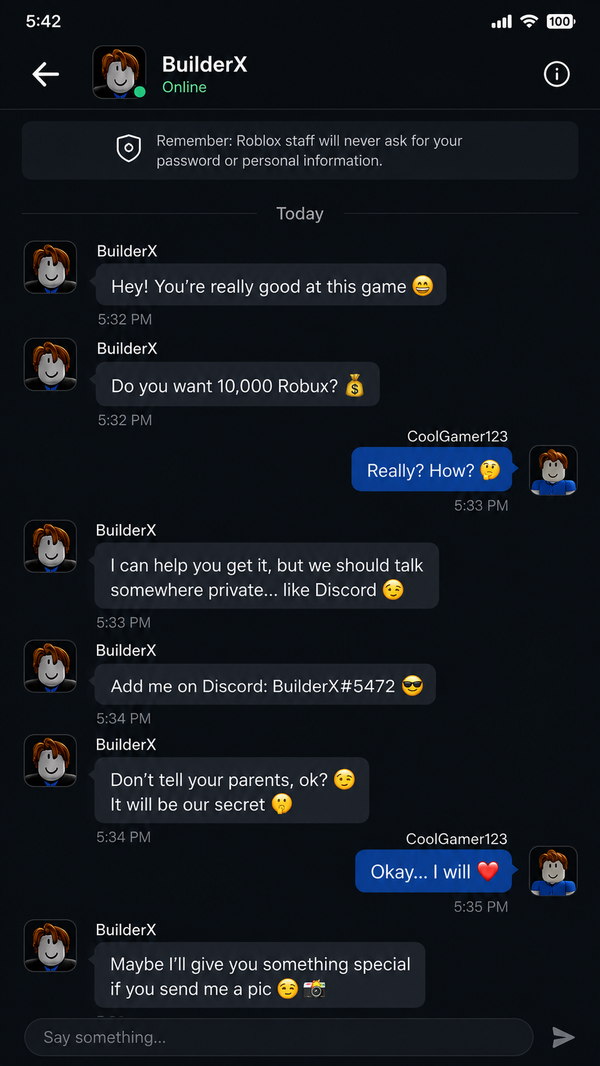
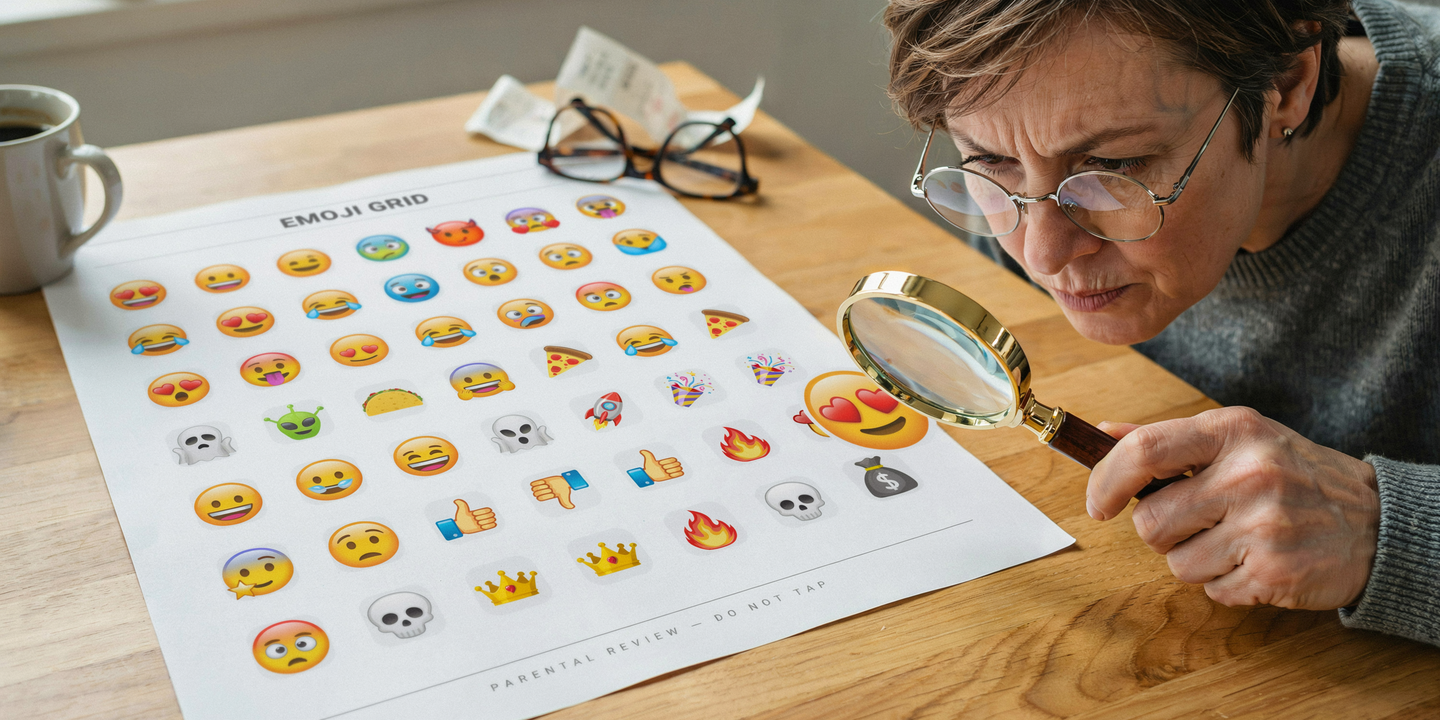
In today's digital landscape, emojis have evolved far beyond simple smiley faces. While most emoji use is harmless, the rapid evolution of digital slang means common icons are frequently repurposed to represent sexual references, substance use, or emotional tone shifts that aren't immediately obvious to adult eyes. This guide isn't here to cause panic - it's here to give you the context to understand what you're seeing, spot genuine red flags, and open an honest, judgment-free conversation with your teen.

Substance References

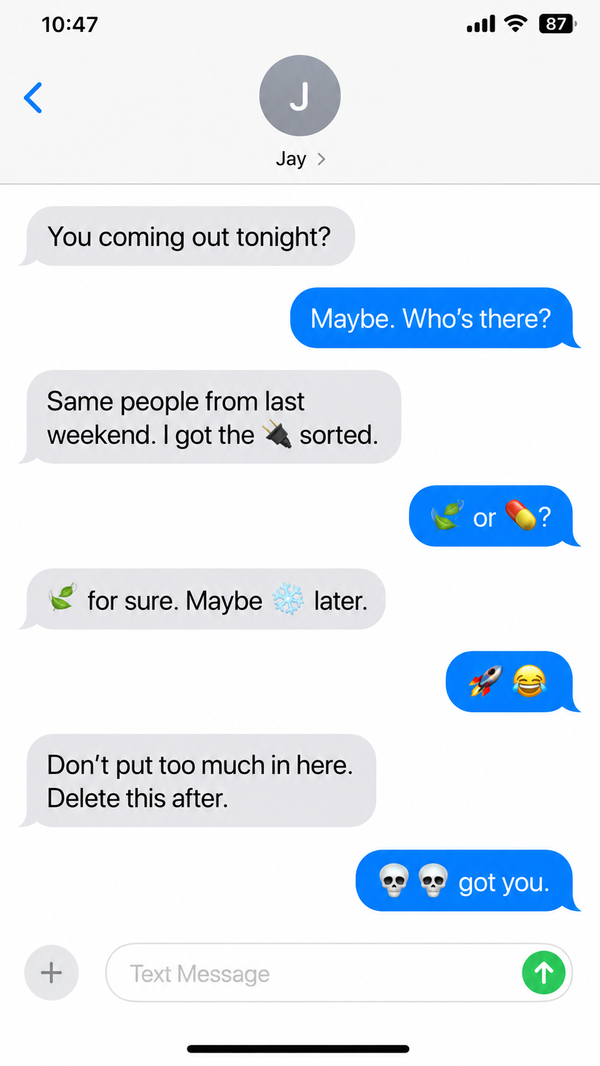
Teens often use everyday nature or object icons to slip past content filters and a quick glance over the shoulder.

๐Ÿ๐Ÿƒ
Maple Leaf / Leaf
Universally used as shorthand for cannabis or marijuana. Often appears in messages coordinating meetups or discussing usage.
๐Ÿ”Œ
Plug
Refers to a drug dealer, or the person who can "connect" them to illicit substances.
๐Ÿš€
Rocket
Can signify "getting high," or a sudden, intense euphoric rush associated with drug use.
โ„๏ธ
Snowflake
Frequently used to reference cocaine.
๐Ÿ’Š
Pill
Often represents prescription medication or MDMA, especially when paired with a color-specific emoji.

Suggestive or Sexual Slang

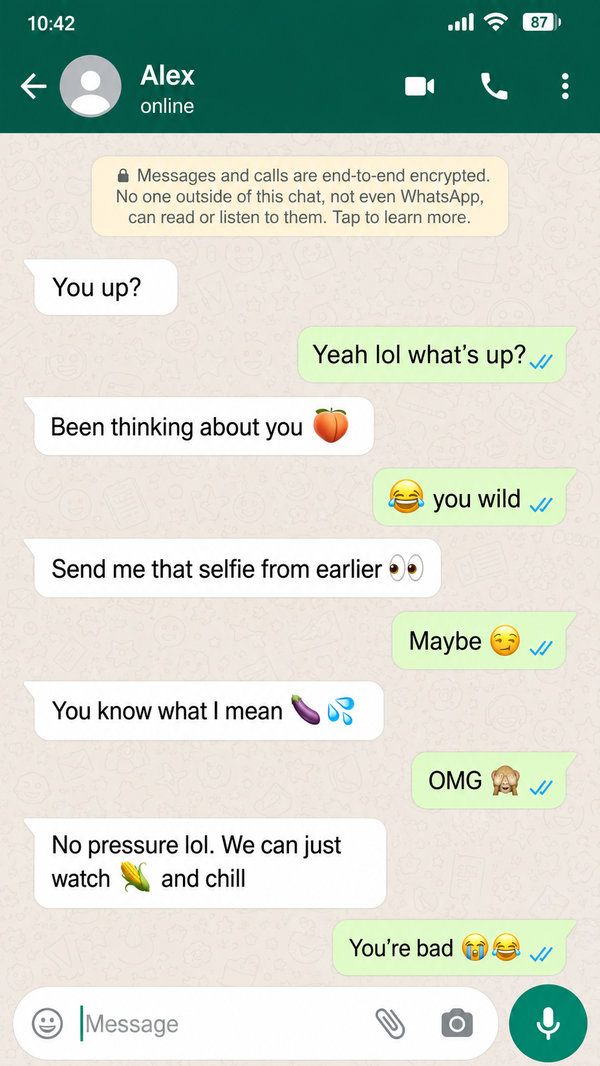
Sexual communication via emoji relies heavily on visual metaphor. This is often used in flirting, sexting, or sharing explicit content - see our Sexting & Image Safety tip sheet for what to do if images are involved.

๐Ÿ†๐ŸŒ๐ŸŒญ
Eggplant / Banana / Hotdog
Established stand-ins for male genitalia.
๐Ÿ‘๐Ÿ’
Peach / Cherries
The peach commonly represents buttocks, while cherries often symbolize breasts or female anatomy.
๐Ÿ’ฆ
Sweat Droplets
Used for exercise too, but in a romantic context it strongly implies arousal or sexual fluids.
๐ŸŒฝ
Corn
A relatively new code word for pornography, used to slip past audio and visual filters on platforms like TikTok.

Tone and Attitude Shifts

Emojis also modulate emotional tone, often in ways that genuinely confuse adults.

๐Ÿ™ƒ
Upside-Down Face
Rarely means silliness. Almost always conveys sarcasm, passive-aggression, or "I'm fine" when they clearly are not.
๐Ÿคก
Clown
Not used to be funny - it signals someone is acting foolishly, or that the user feels "made a fool of" or caught in a mistake.
๐Ÿ’€๐Ÿ˜ญ
Skull / Loudly Crying Face
The modern equivalent of "LOL." Usually means extreme laughter ("I'm dead") or feeling overwhelmed, not actual grief or danger.

The 3-Factor Rule Before You React

A standalone emoji is rarely a crisis - it's the pattern of communication that matters. Check these three things before you react to anything you see.

1
The Relationship
Who are they texting? A peach emoji sent to a best friend about workout results is different from one sent to a new contact late at night.
2
The Conversation Thread
Scroll up. Is the emoji a reply to a question about "hanging out," or a reply about homework? Surrounding text anchors the meaning.
3
The Platform
Emojis in public Instagram comments are usually performative. Private WhatsApp, Snapchat, or Discord DMs is where more secretive language tends to live.
Warning signs to watch for
Clusters of these emojis appearing together, attempts to quickly delete messages, or changing the subject when you enter the room.

How to Talk About It

Technology is a tool, but your relationship is the foundation. Here's how to approach this constructively, beyond any monitoring app.

Talk openly, don't interrogate
Don't open with "I saw you sent a rocket emoji - are you doing drugs?" That shuts communication down immediately. Instead, try: "I read that some emojis have secret meanings online - have you seen that? What does the upside-down face mean to you and your friends?" This positions you as a learner, not a warden, and invites them to teach you - which builds trust.
Establish a shared "safety reference"
Keep a simple cheat sheet like this one handy, and say: "I'm not trying to invade your privacy, but if I see these specific combinations, I'm going to check in with you. My job is to keep you safe, not to police your jokes."
Use trusted digital safety resources
You don't have to do this alone. Bark (bark.us) offers monitoring tools and a regularly updated list of current teen slang. Common Sense Media has excellent breakdowns on digital citizenship. The Cyberbullying Research Center is a strong resource for reading the emotional distress signals that often precede cyberbullying.

The Goal Is Awareness, Not Fear

Emoji literacy isn't about mistrusting your child - it's about staying relevant in their digital world. The internet moves fast and slang evolves weekly. By pairing this knowledge with an open, judgment-free conversation, you go from paranoid observer to trusted ally. Tonight, instead of scrolling through their phone, try asking: "What's the funniest way you and your friends use emojis?" The connection you build will matter more than any monitoring software.

Worried about something you've seen?

Grooming, exploitation, bullying and image-sharing without consent are real crimes. Report them to CyberTips Bermuda.

Report Now More for Parents